- No products in the cart.
Ingredient Spotlight
A friendly guide to the ingredients behind soft, comfortable skin—and what each one actually brings to your routine.
“Feed your skin” is a lovely way to think about nourishing body care. Your skin does not literally eat ingredients, of course—but the right formula can help soften, condition, and support the outer barrier that keeps skin feeling comfortable.
When you turn a product around and read the ingredient list, it can feel like a chemistry quiz. But a few familiar ingredients have clear jobs: some attract water, some soften rough-feeling skin, and some help reduce the feeling of moisture slipping away. Here’s what ingredients like shea butter, colloidal oatmeal, aloe vera, coconut oil, glycerin, and plant oils can contribute to a body-care routine.
First, what does “nourishing” mean in skincare?
Healthy-looking, comfortable skin depends on more than one ingredient. Moisturizers often combine humectants, which help draw water into the outer layer of skin; emollients, which soften and smooth; and occlusive ingredients, which help slow water loss from the surface. One ingredient can play more than one role, and the finished formula matters as much as the ingredient name.
That’s why “natural” doesn’t automatically mean better for every person, and a long ingredient list isn’t automatically more effective. Think about how your skin feels, how you like a product to wear, and whether you know you react to any ingredients or fragrance.
Shea butter: a rich, softening moisturizer
Shea butter is a plant butter used to give creams and body butters a rich, cushiony feel. In a moisturizer, it can help soften rough or dry-feeling skin and leave a protective, conditioned finish. It is especially popular in body care because it gives a formula that plush texture many people want on elbows, knees, hands, and legs.
Shea butter is not a medical treatment for eczema or another skin condition. If your skin is persistently itchy, cracked, or inflamed, a dermatologist can help you find the right care. And if a rich product feels too heavy or seems to bother your skin, try a smaller amount or a lighter formula.
Colloidal oatmeal: comfort for dry, delicate-feeling skin
Colloidal oatmeal is finely milled oat prepared for use in skincare. It is valued in moisturizers for helping skin feel calmer and less dry or rough. Research on specific colloidal-oat products has found improvements in measures such as dryness and skin-barrier function, though results depend on the complete product and the study.
Look for colloidal oatmeal in a finished moisturizer rather than assuming kitchen oats are interchangeable with a formulated skincare ingredient. If you have an oat allergy or a known sensitivity, check the label and ask a clinician if you are unsure.
Aloe vera: a light, water-loving ingredient
Aloe vera is often included in body care for its lightweight, soothing feel. Some cosmetic research has found increased skin hydration with aloe-containing formulations. That does not mean every aloe product will work the same way—or that aloe replaces sunscreen or medical care for a burn. In a body-care formula, it can be one part of a blend that leaves skin feeling refreshed and conditioned.
Coconut oil and plant oils: softness and a smoother finish
Coconut oil and oils such as jojoba, argan, and avocado can contribute emollience: they help skin feel softer and smoother. Oils also add slip, making a body oil or butter easier to spread. They are not the same as water-based hydration, so many people like to apply an oil over slightly damp skin or layer it with a cream or body butter.
Plant oils are not one-size-fits-all. Skin can respond differently to different oils, and more is not always better. Start with a small amount, especially if you are trying a new product or have reactive skin.
Glycerin and vitamin E: supporting players in a formula
Glycerin is a humectant commonly used to help attract and hold water in the outer layer of skin. It can make a mist or moisturizer feel more conditioning. Vitamin E is used in skincare formulas for its antioxidant properties and can also help condition the skin; in an oil blend, it may serve both the formula and the skin-care experience.
Neither ingredient needs to be the star to be useful. A thoughtful formula combines ingredients so a product feels good, spreads well, and suits the step it is designed for.
Potionette Tip
Try a new product on a small area first, especially if your skin is sensitive. Give your routine a little time, and change one product at a time so you can tell what your skin likes.
How to choose a natural body moisturizer
For rough, dry-feeling areas
Look for a richer cream or body butter with softening ingredients such as shea butter and plant oils.
For a lighter feel
Choose a lotion or mist with water-loving ingredients such as glycerin or aloe, then layer if you need more comfort.
For sensitive skin
Check the full ingredient list, consider fragrance-free options, and patch test when trying something new.
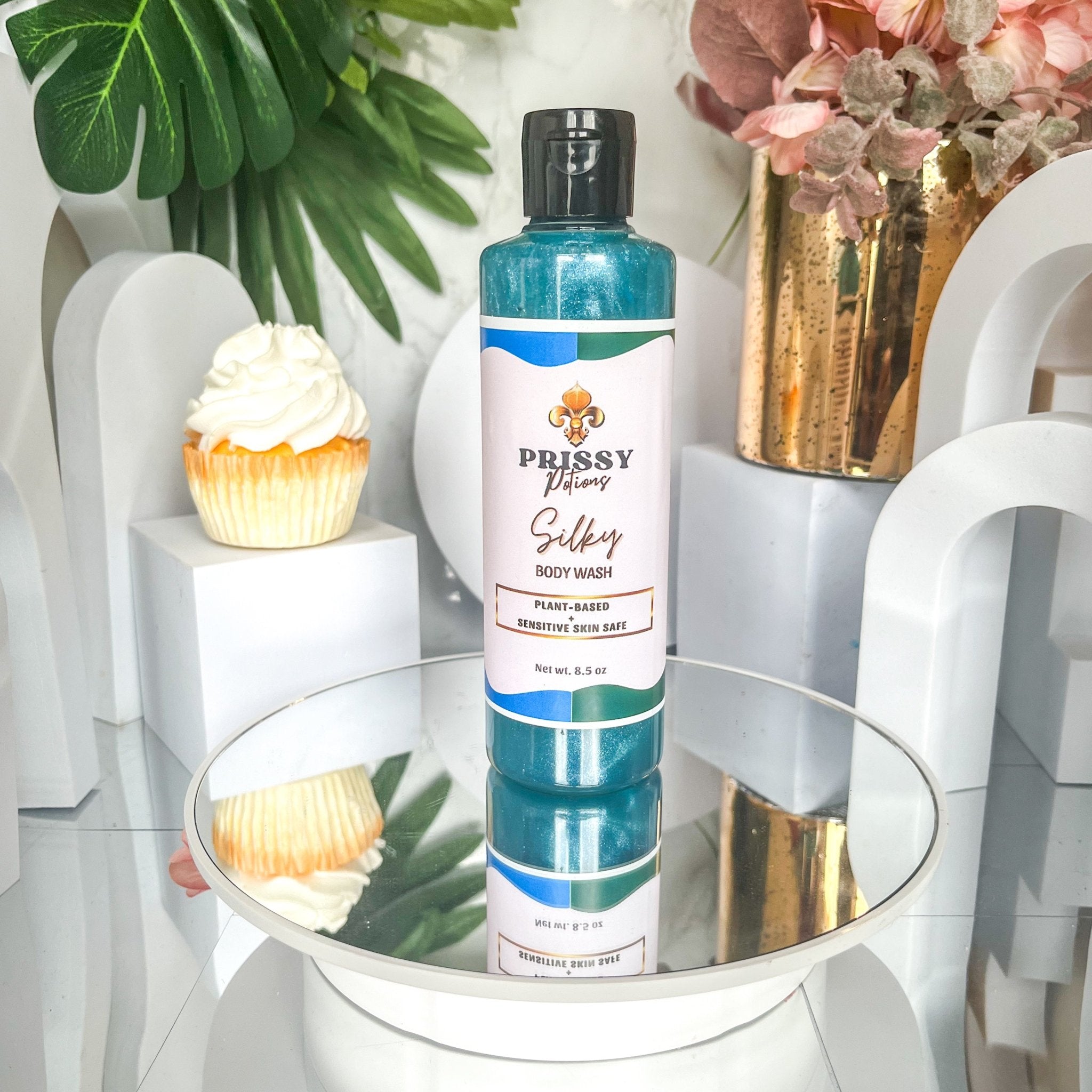
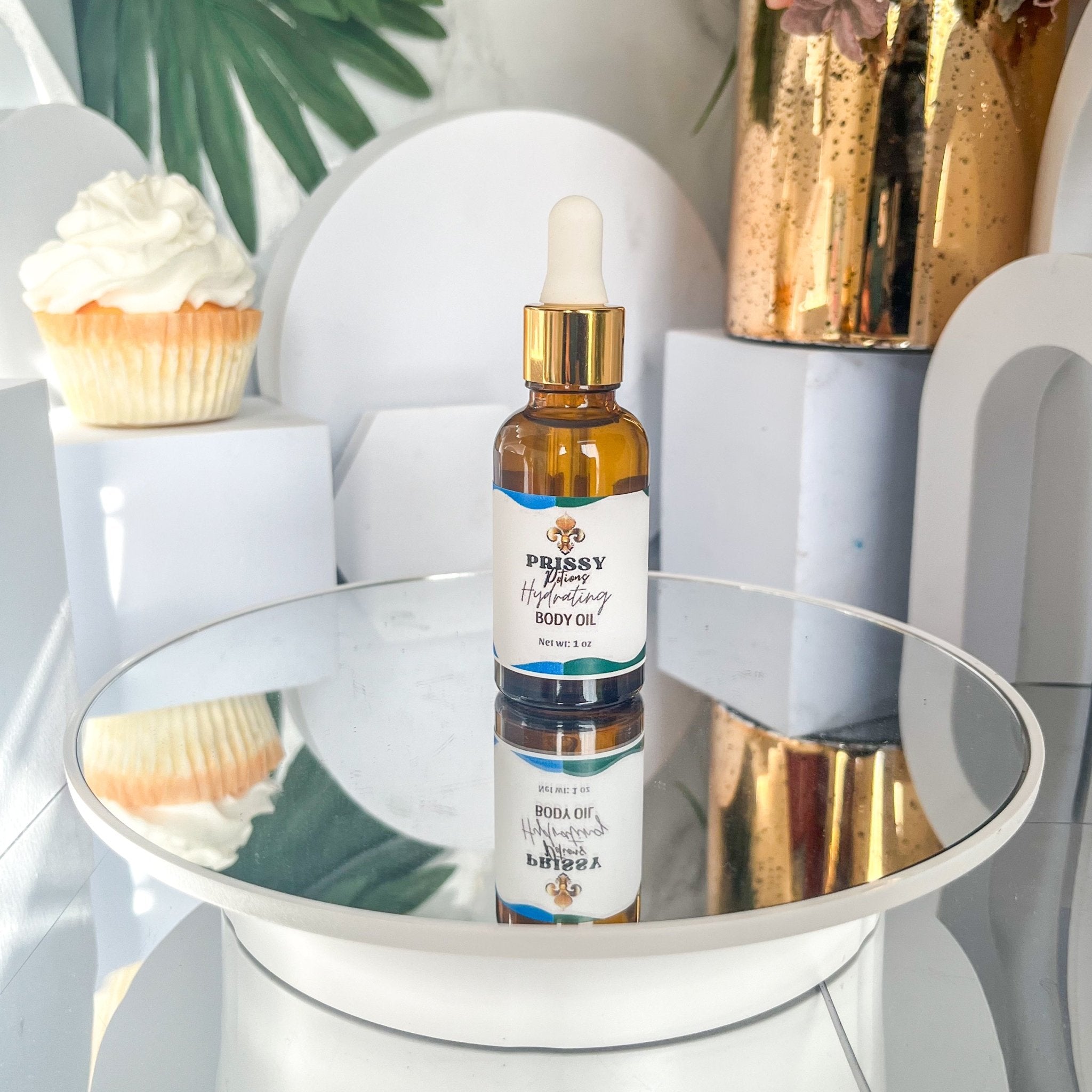
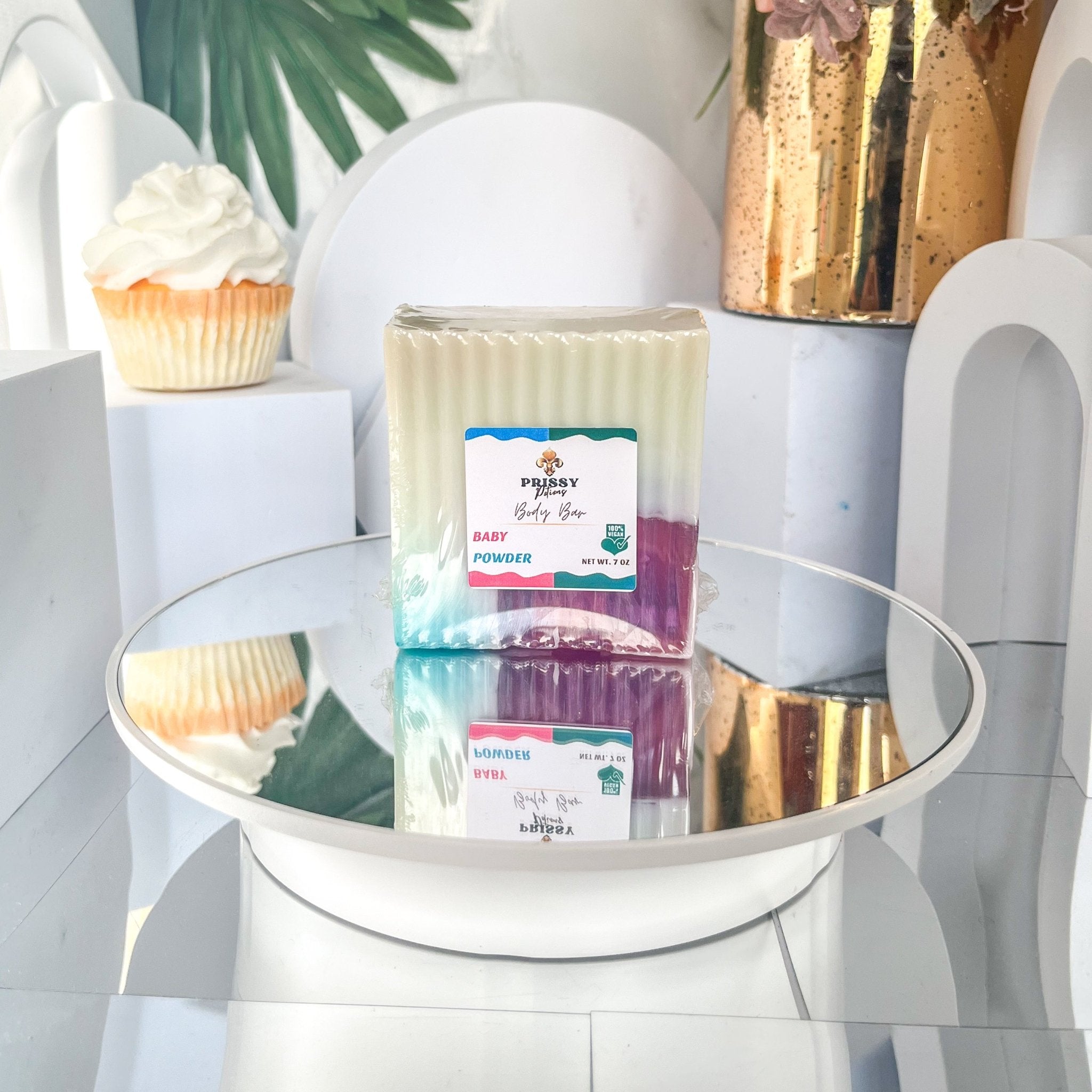
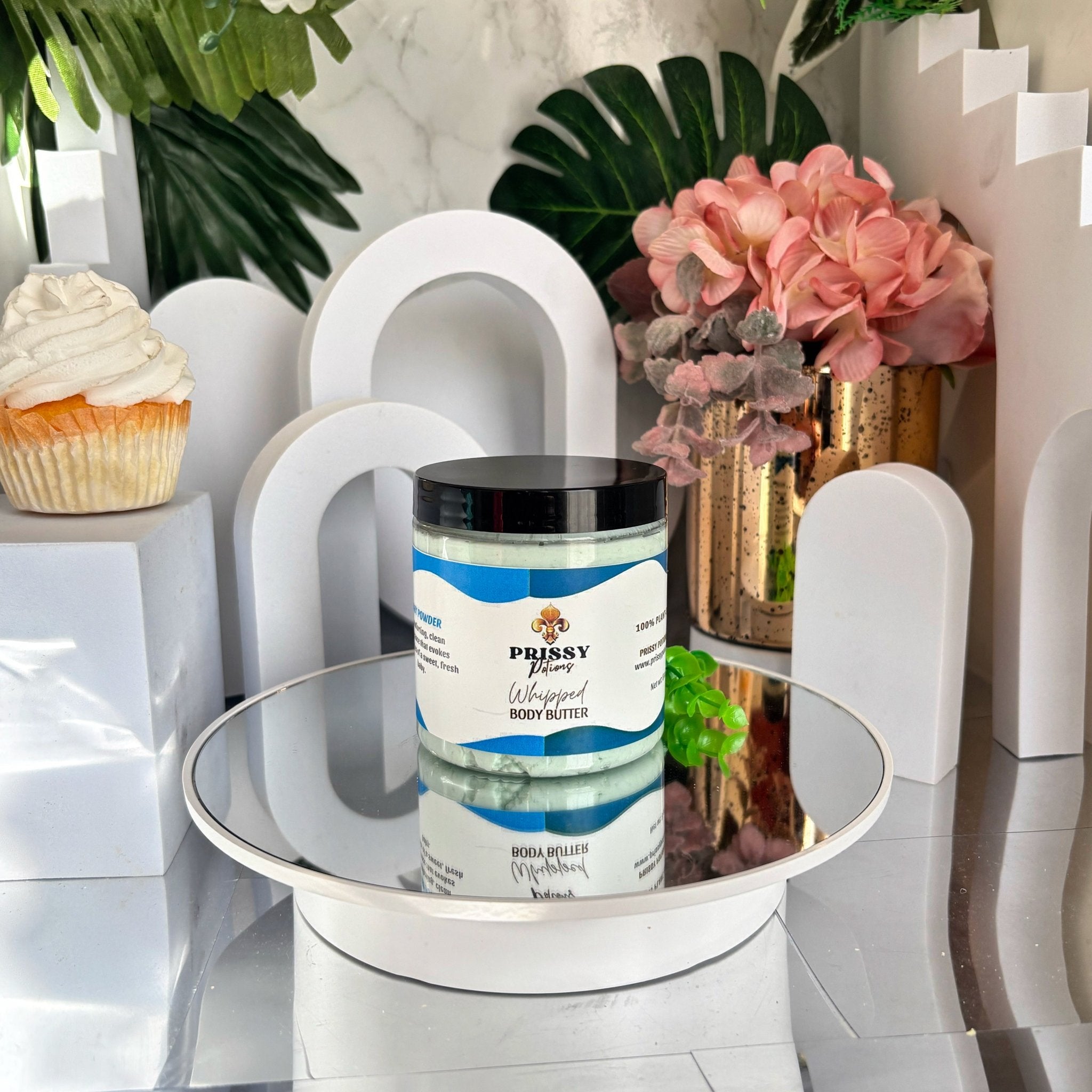
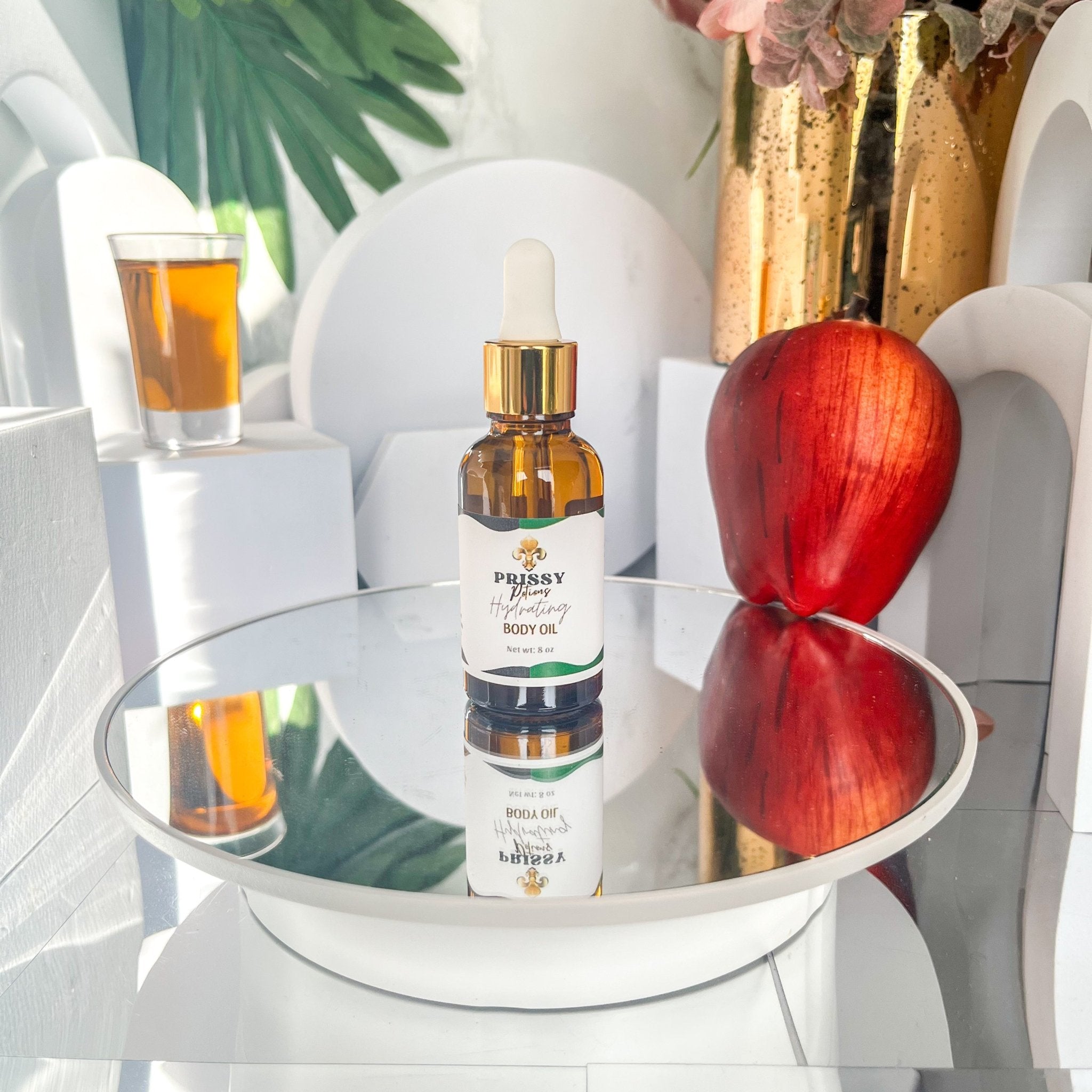
At Prissy Potions, ingredients such as shea butter, colloidal oatmeal, aloe, coconut oil, vitamin E, and plant oils appear across different body-care formulas. Each product has its own blend and purpose, so check the individual label for the ingredients in the item you’re considering.
So, what does your skin need?
Start with how your skin feels and what kind of texture you enjoy using consistently. Shea butter and plant oils can bring a richer, softer finish; glycerin and aloe can contribute a lighter, more water-based feel; and colloidal oatmeal is a familiar choice in products made for dry, delicate-feeling skin. The best routine is the one that feels comfortable on your skin and is easy to keep using.
If your dryness is severe, keeps returning, or comes with a rash or persistent itching, it may be more than a moisturizer can solve. A board-certified dermatologist can help you identify what is going on and recommend appropriate care.
Curious What’s Inside Your Body Care?
Explore Prissy Potions’ ingredient-conscious body care and check each product page for its full ingredient list.
Explore Body Butters →Sources & further reading
American Academy of Dermatology: How to pick the right moisturizer · Colloidal oatmeal and skin-barrier research · Study of aloe-containing cosmetic formulations and skin hydration